OVERVIEW
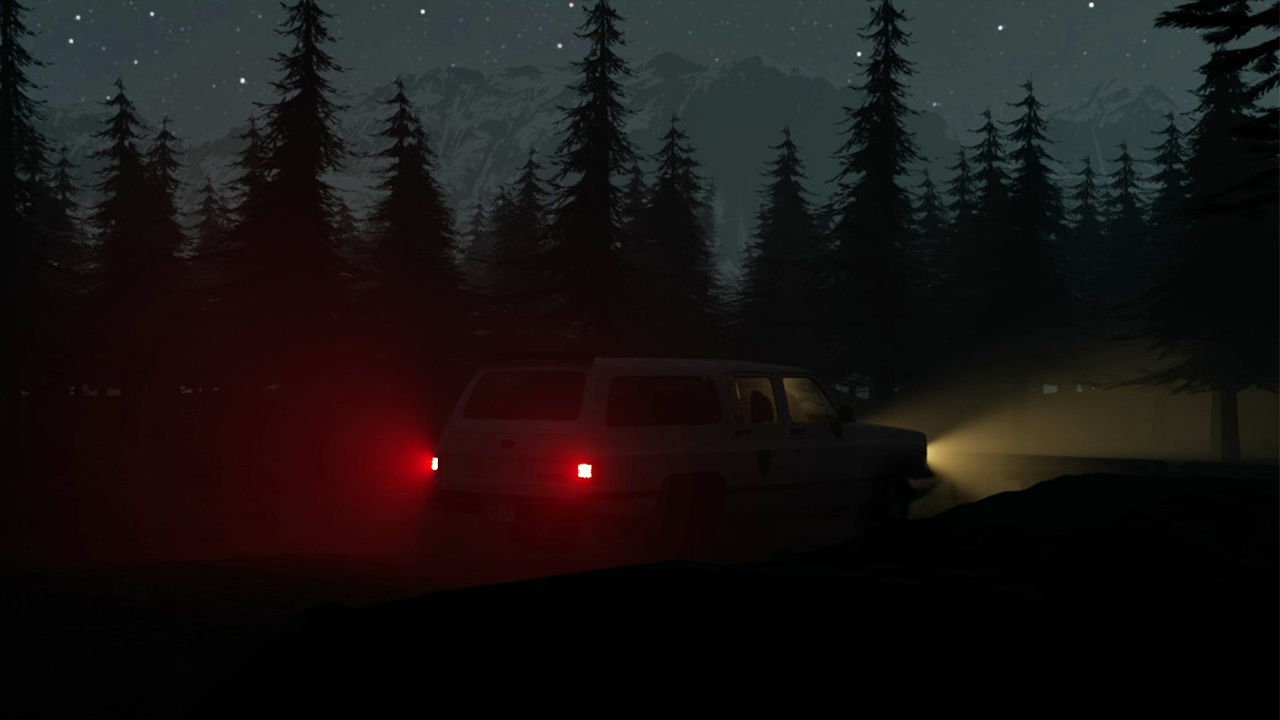
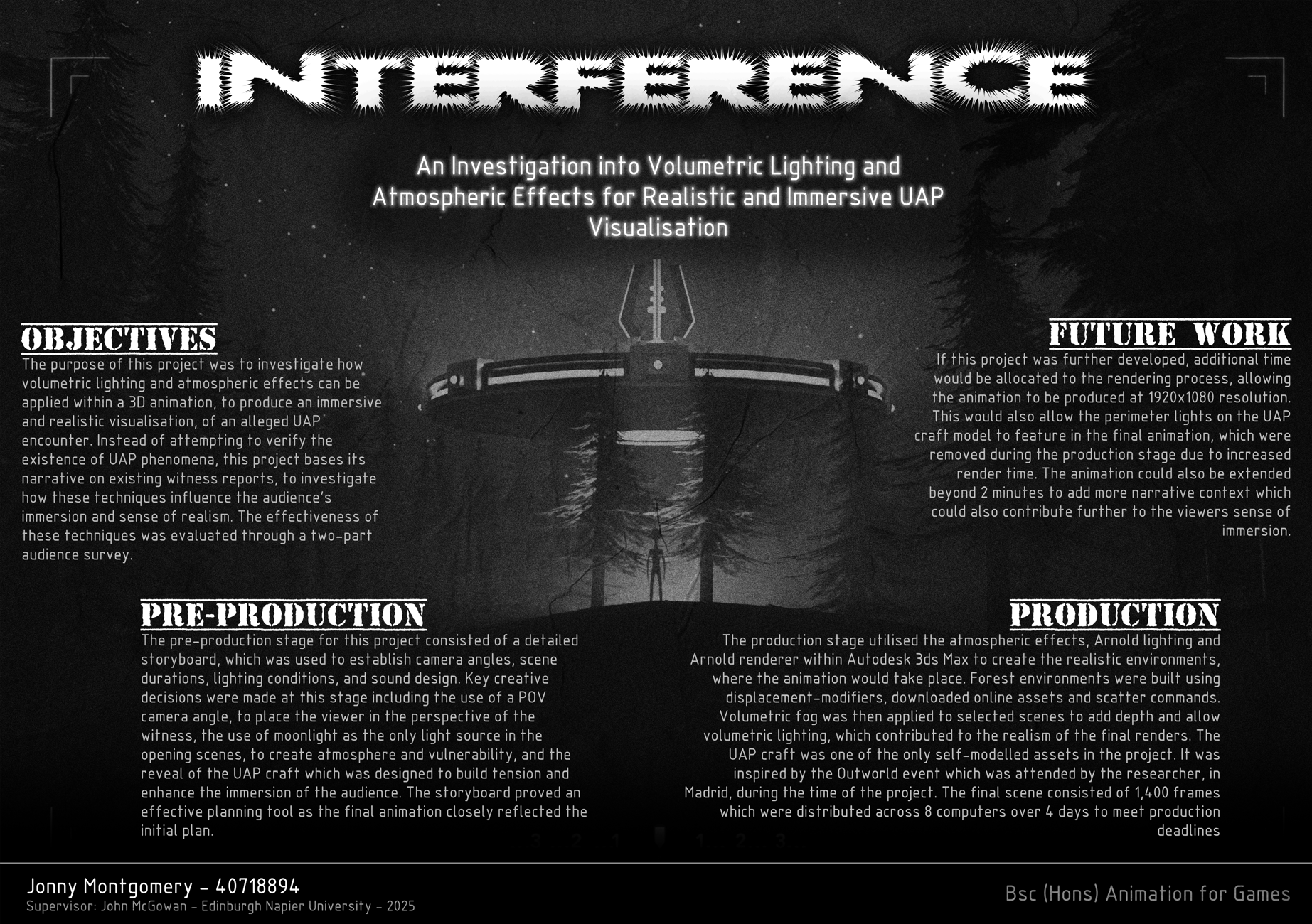
For my university honours project I chose explore how 3D animation, volumetric lighting and atmospheric effects could be used to create a realistic and immersive visualisation of an alleged UAP (Unidentified Anomalous Phenomena) encounter. The project resulted in a 2 minute animated short film, which was developed using Autodesk 3ds Max and Adobe After Effects.
I was responsible for the entire production process which included concept development, storyboarding, 3D environment design, modelling, texturing , lighting, animating, rendering, compositing and sound design. The project was developed through a practice-based research process, using audience feedback to evaluate how effectively these techniques created realism and immersion.
Skills: 3D Modelling · Environment Design · Animation · Lighting · VFX · Compositing · Sound Design · Storyboarding · Rendering
Software: Autodesk 3ds Max · Adobe After Effects · Adobe Photoshop
INSPIRATION
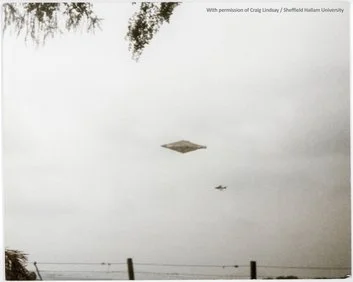
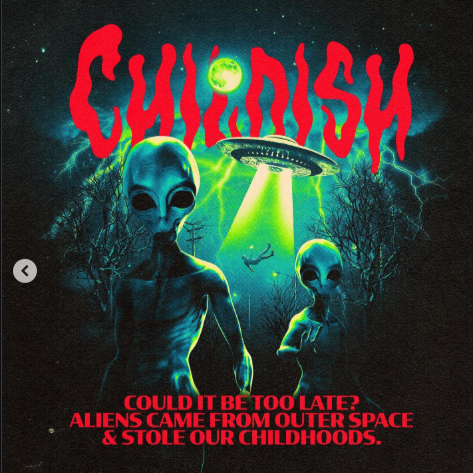
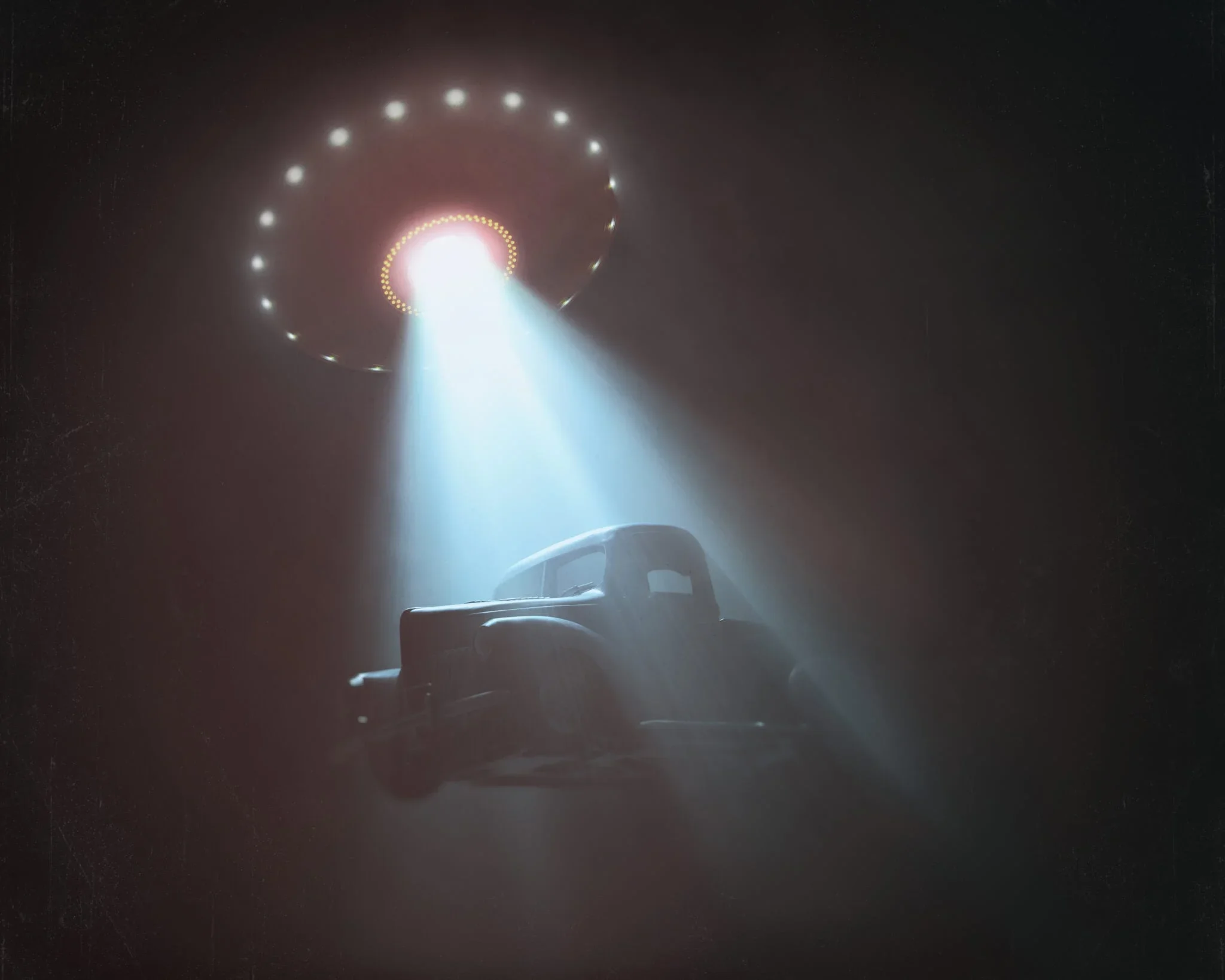
The project was inspired by existing UAP visualisations, science-fiction film media and atmospheric photography. Rather than creating an exaggerated UFO encounter, I wanted to explore how subtle lighting, environmental detail, camera movement and sound could make the encounter feel believable.
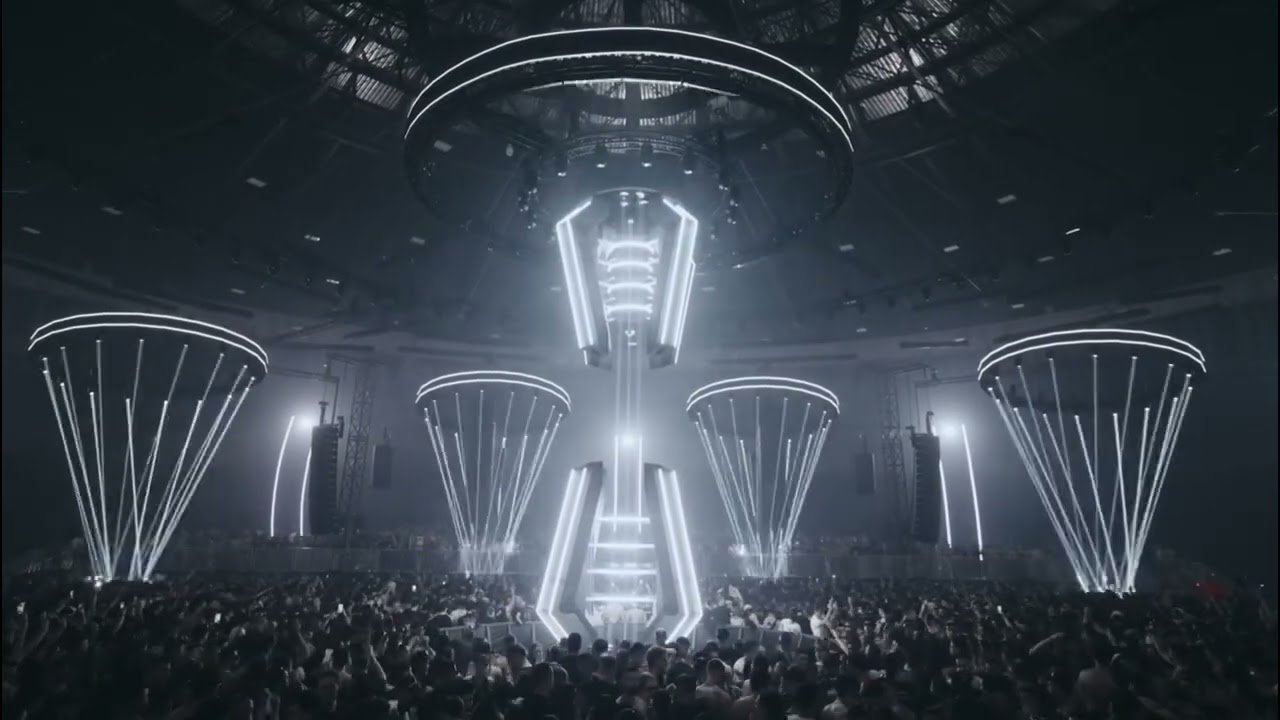
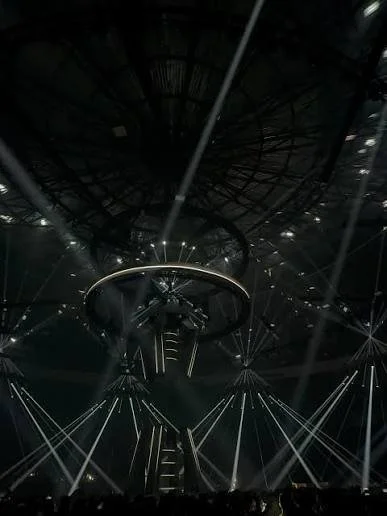
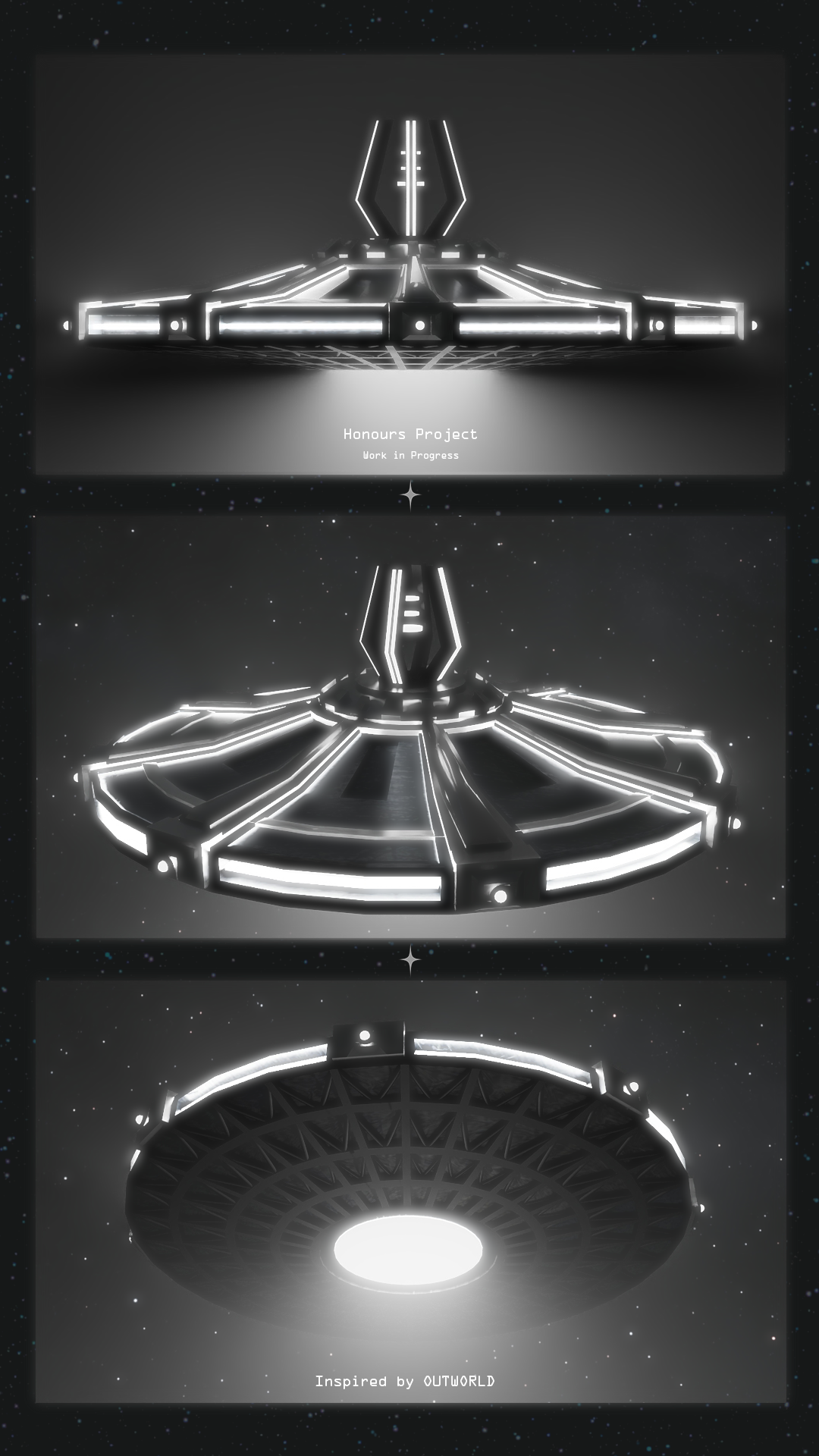
For the UAP itself I took inspiration from Klangkuenstler’s Outworld event in march 2026. The event included dystopian, sci-fi-inspired structures which made attending feel like you were inside a spaceship.
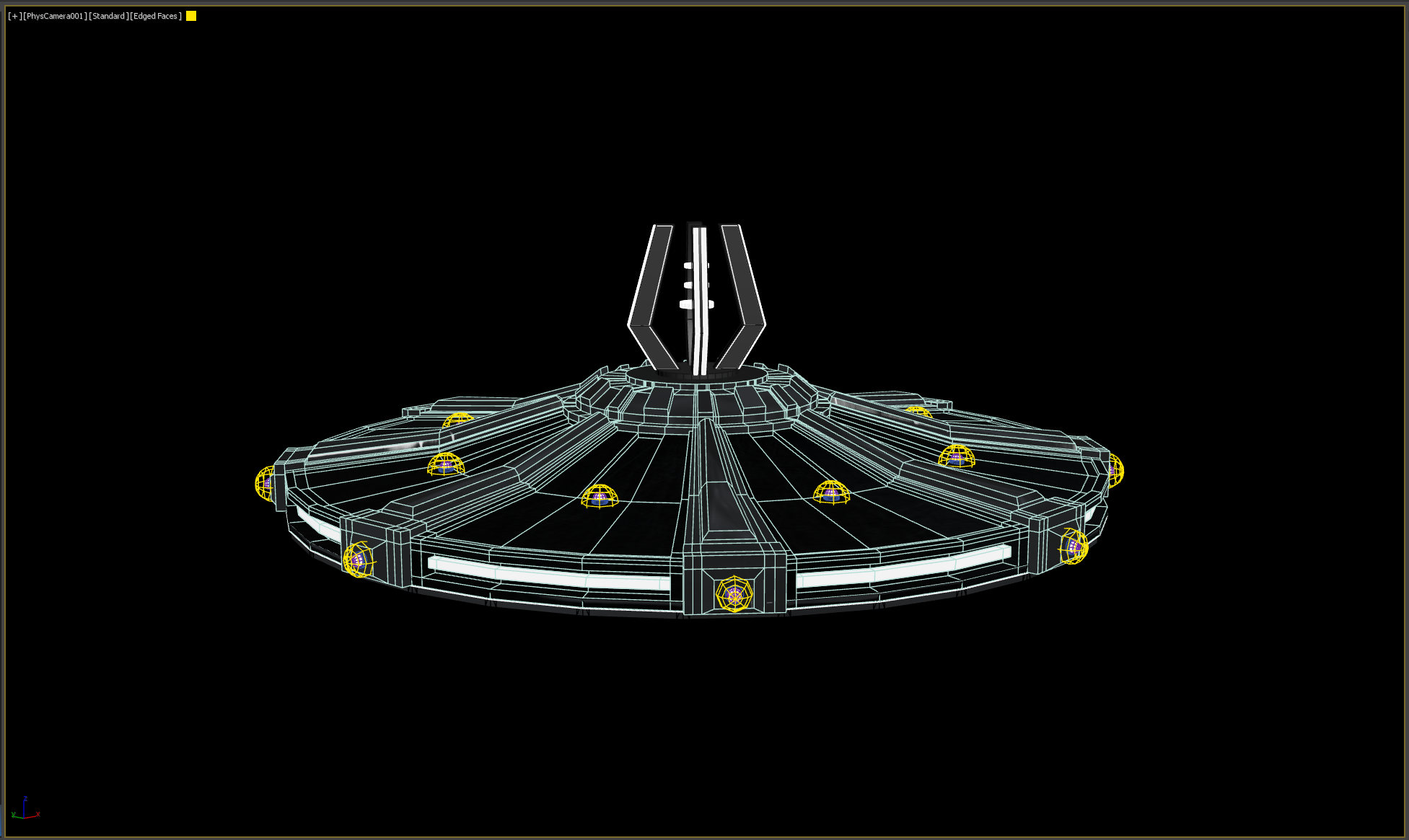
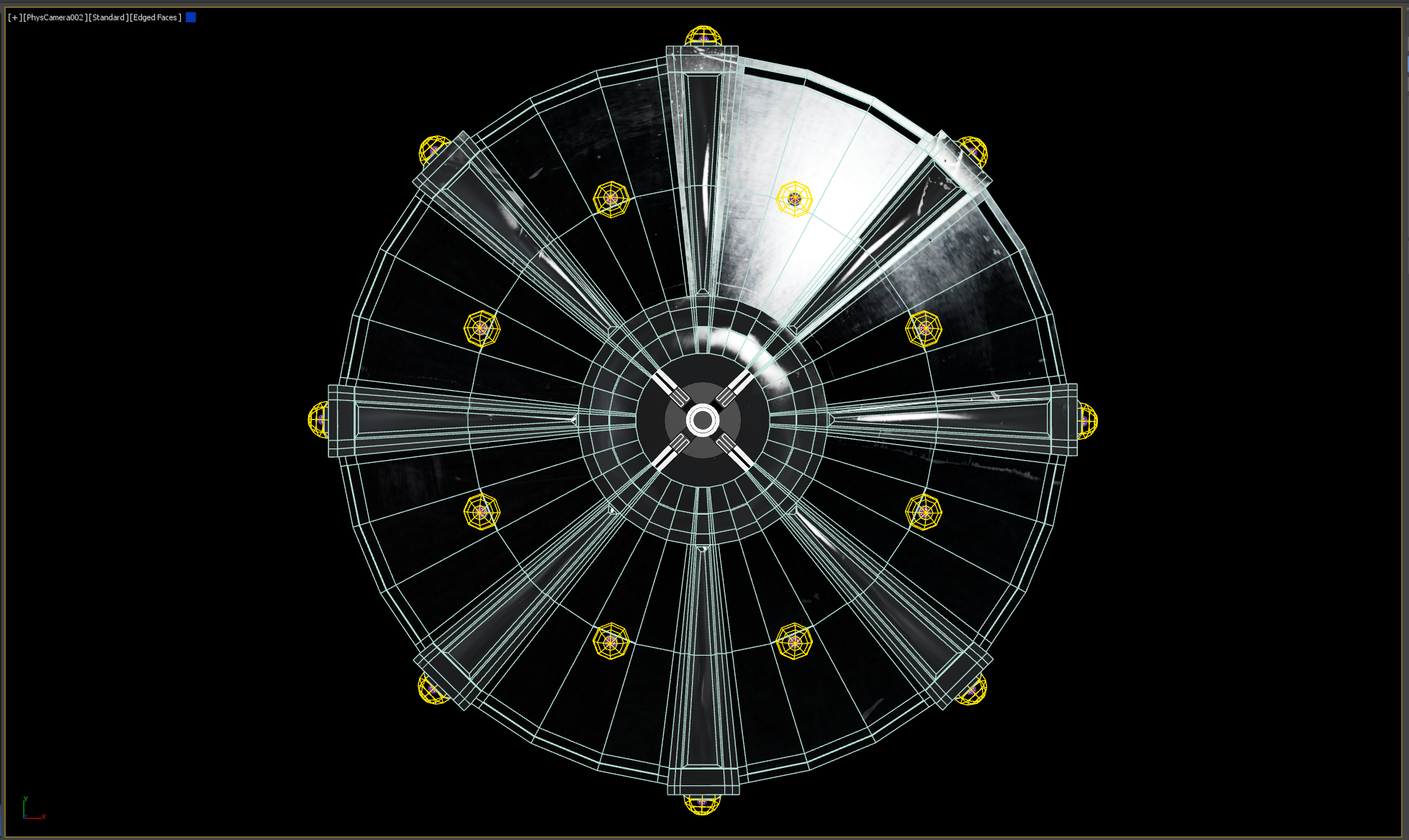
Elements of the event’s stage and layout have heavily inspired the design of the model, including the patterned ceiling of the venue, the centre structure, and large light discs featured around the perimeter of the venue. These elements are visibly reflected in the final model which features a disc shaped body, a patterned underbelly and a vertical claw structure.
DEVELOPMENT
PRE-PRODUCTION
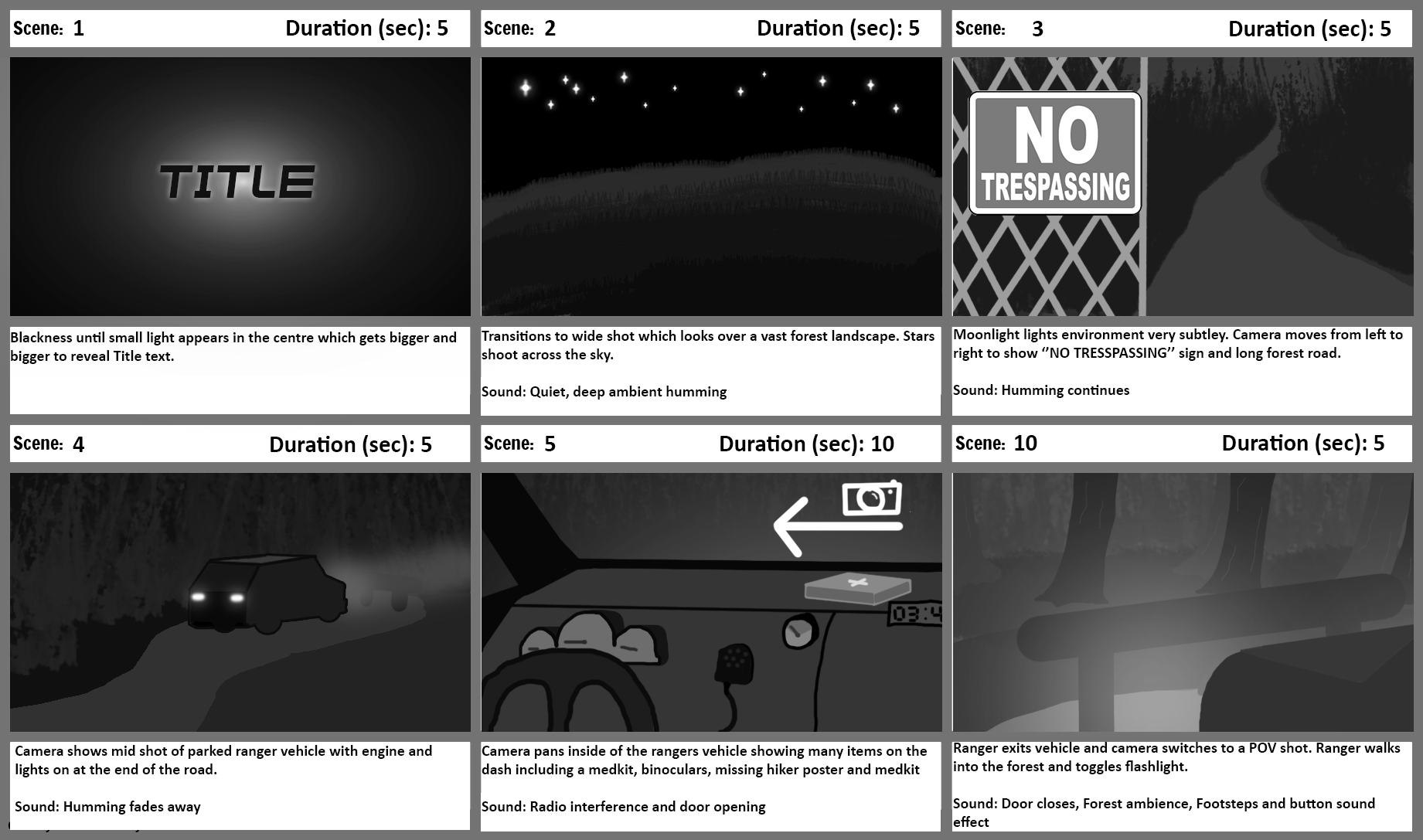
The project began with storyboards to establish the narrative, camera angles, lighting and pacing of each scene. The story follows a park ranger investigating strange activity in a remote forest before encountering an unknown craft. The storyboard was used as a visual guide throughout production and helped establish the lighting and camera language of the final animation.
PRODUCTION
The environments were constructed in Autodesk 3ds Max using a combination of sourced assets and custom modelling. The Landscapes were created using displacement and scattering techniques, with thousands of trees used to build large-scale forest environments. I also remodelled the vehicle interior and created the UAP from scratch to allow myself to have more creative control with the key assets of the animation.
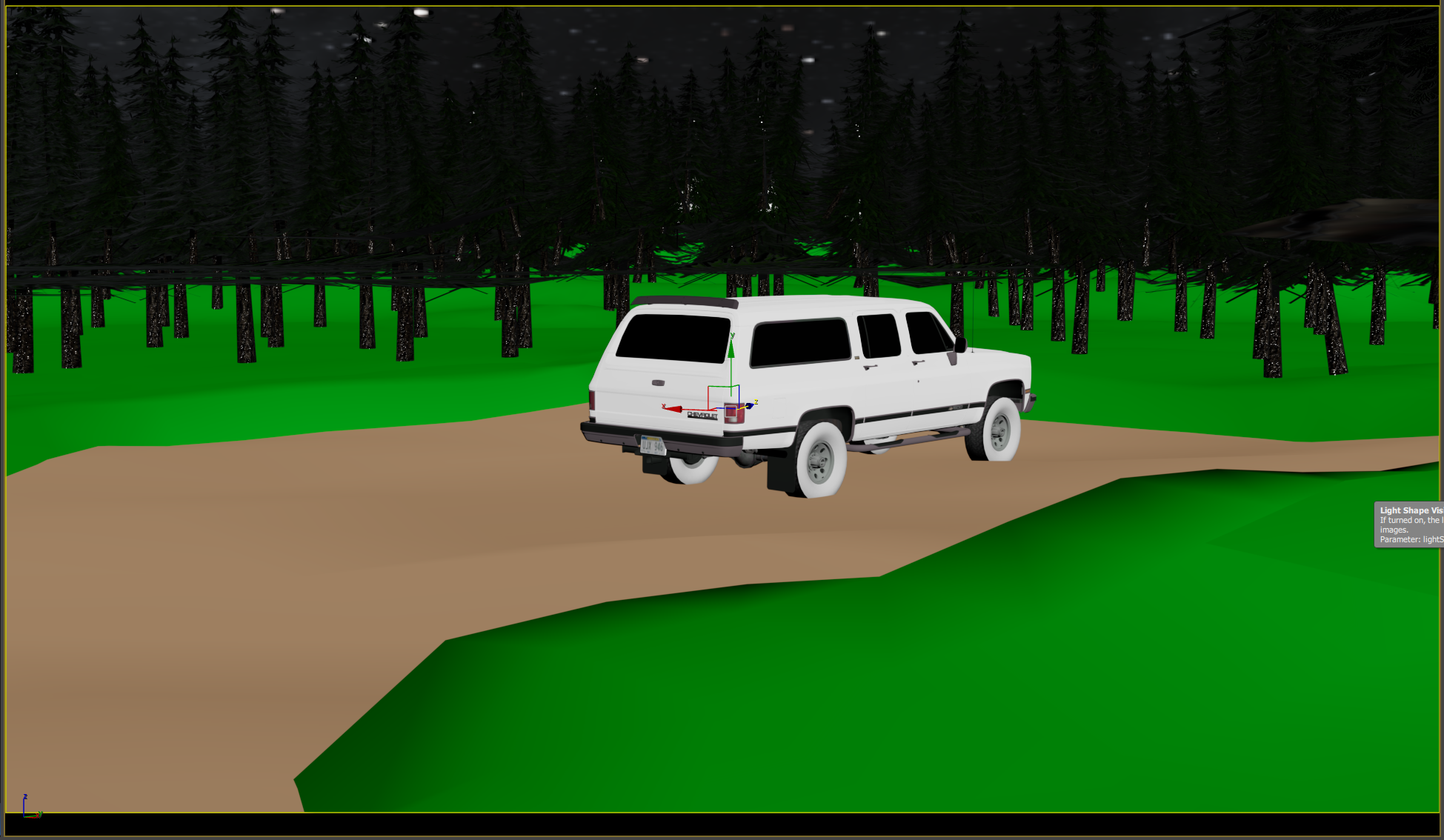
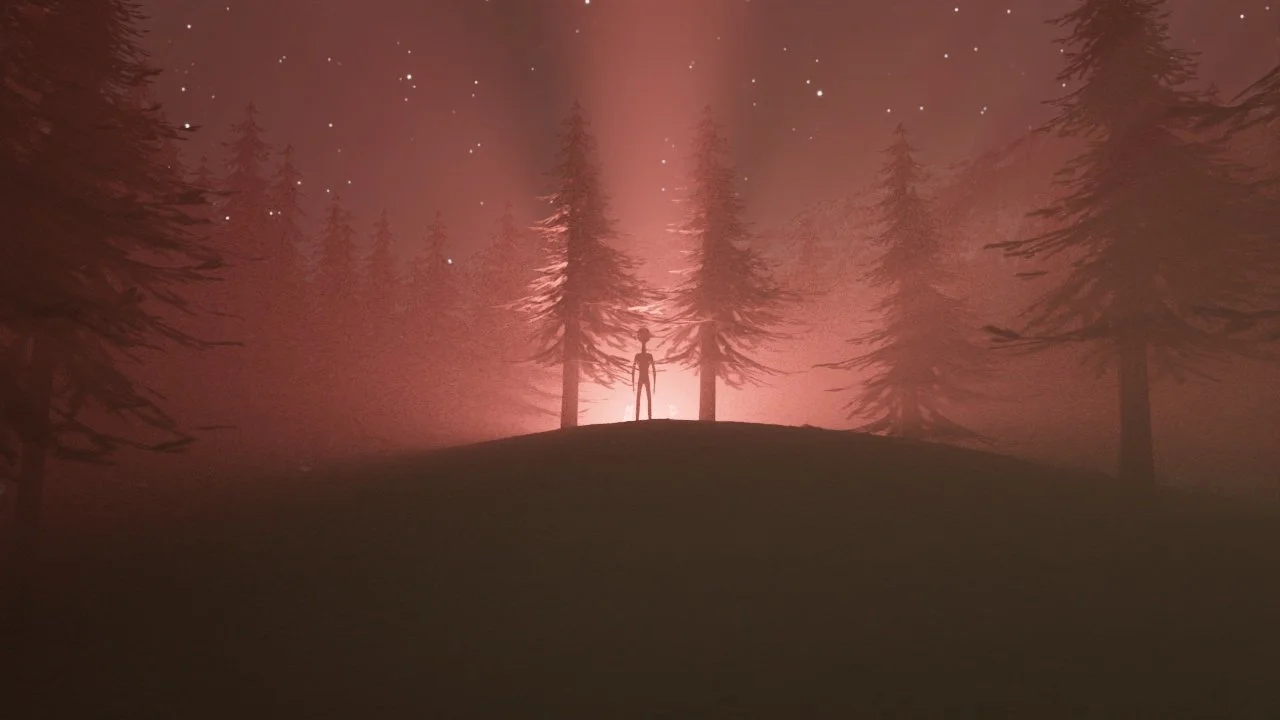
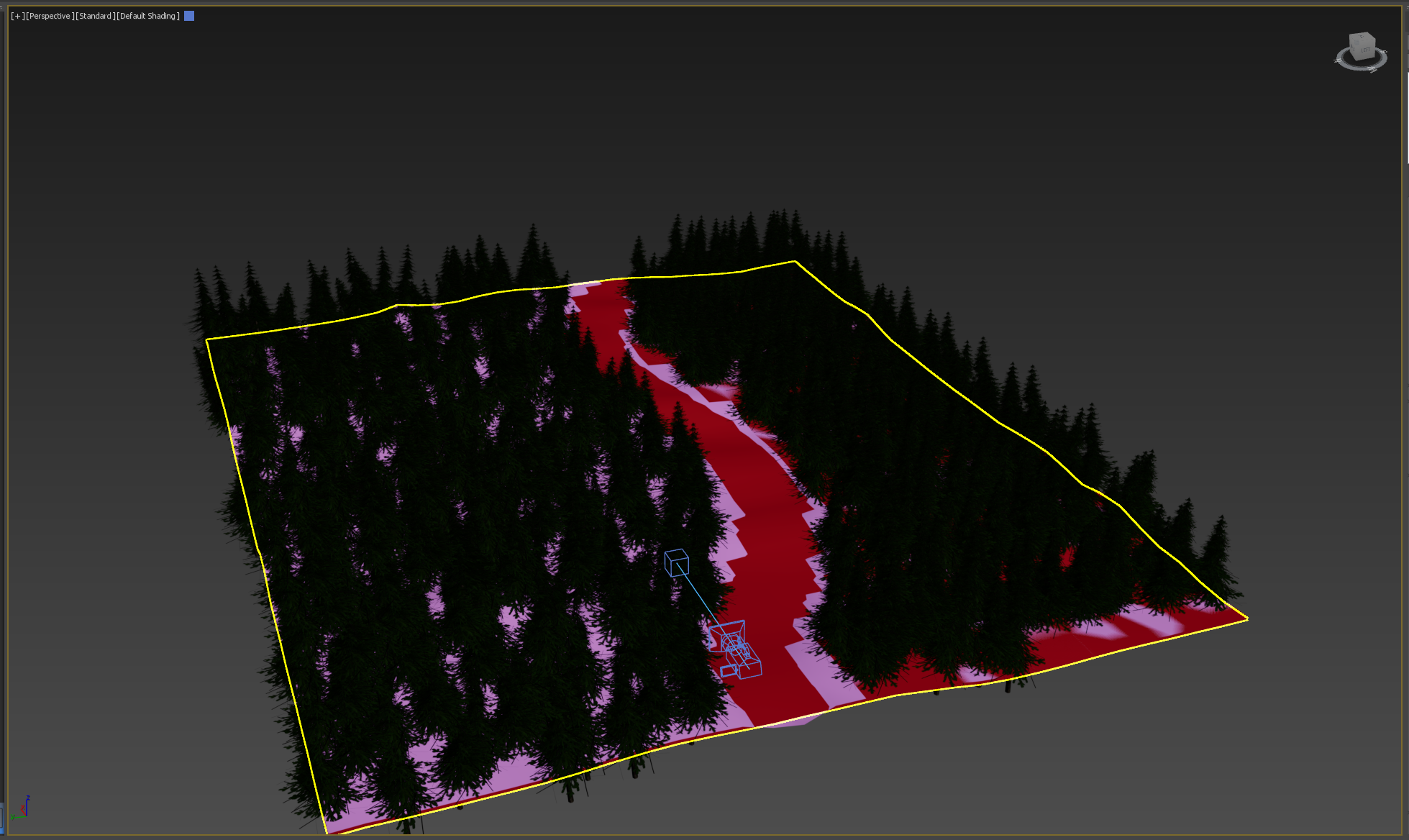
Moonlight, vehicle lights, HDRI lighting and volumetric fog were tested across multiple iterations to create depth, atmosphere and achieve realism. Camera animation was also used to establish scale, tension and immersion, including a first-person forest sequence designed to place the viewer into the character's perspective.
UAP DESIGN
The UAP was the centrepiece of the main custom-built asset within the project. I designed and modelled the craft in 3ds Max using hard-surface modelling, emissive materials and animated lighting.
The model was designed with an opening hatch and integrated lighting so it could be directly incorporated into the final animation.
LIGHTING & ATMOSPHERICS
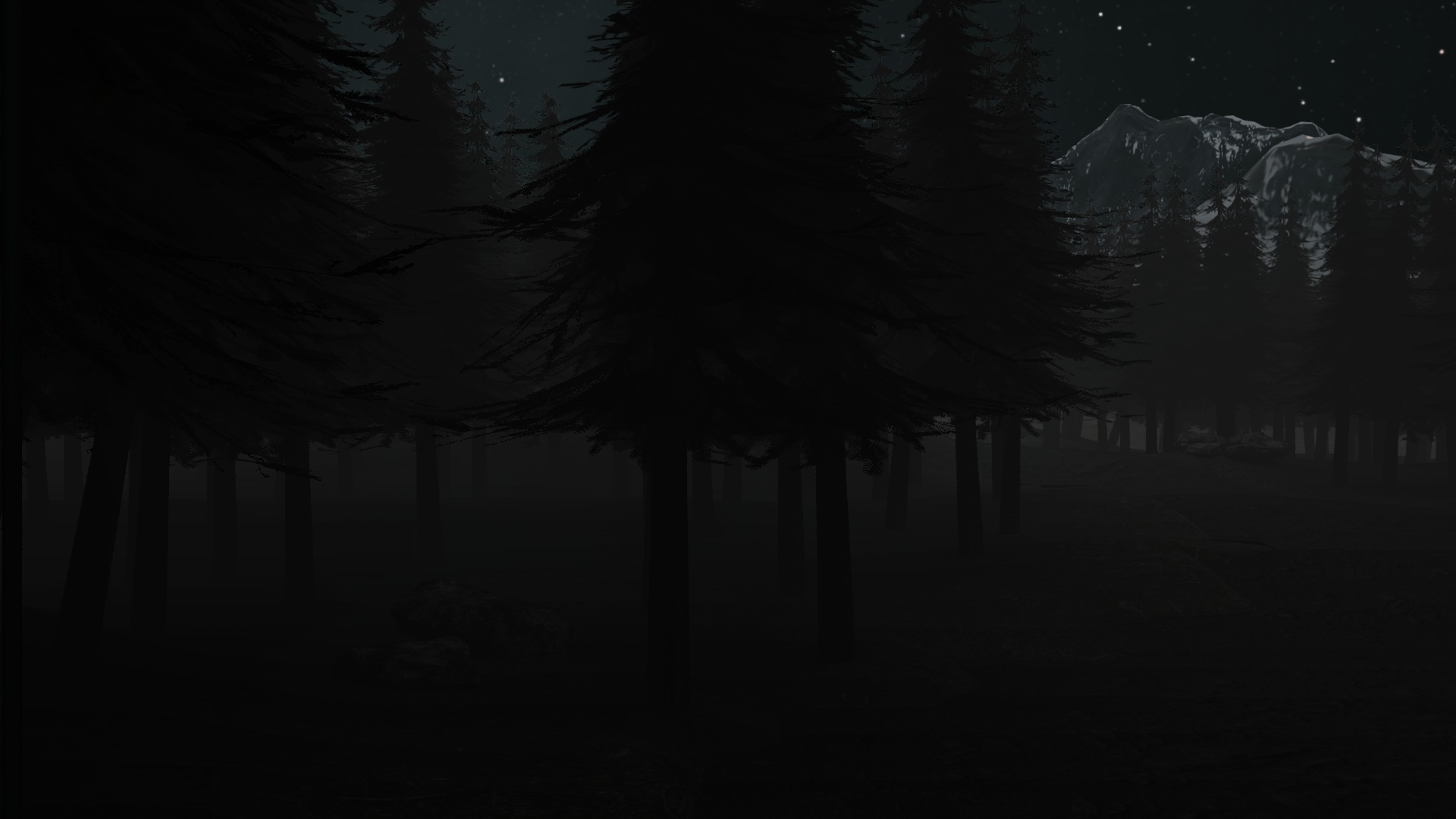
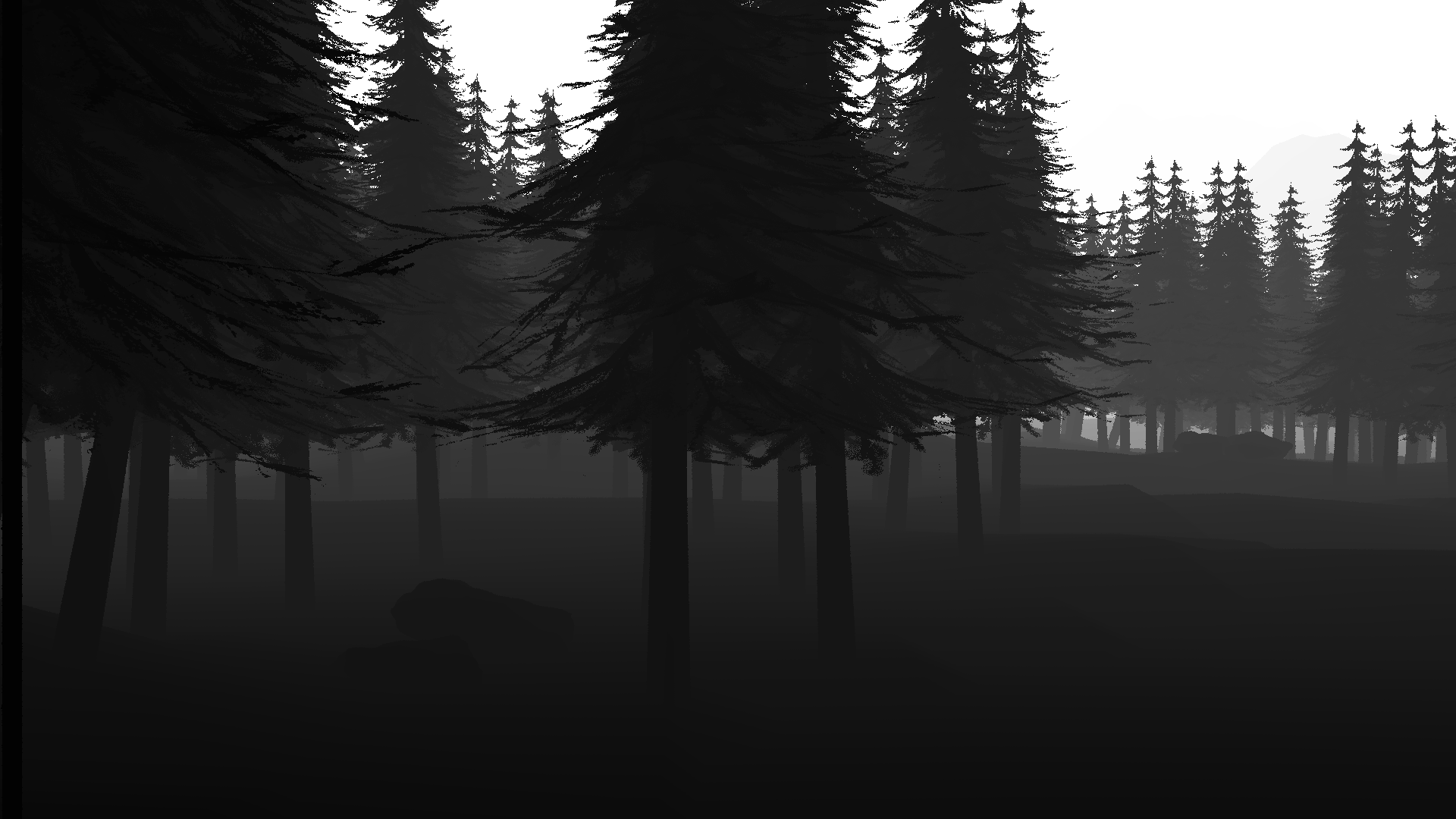
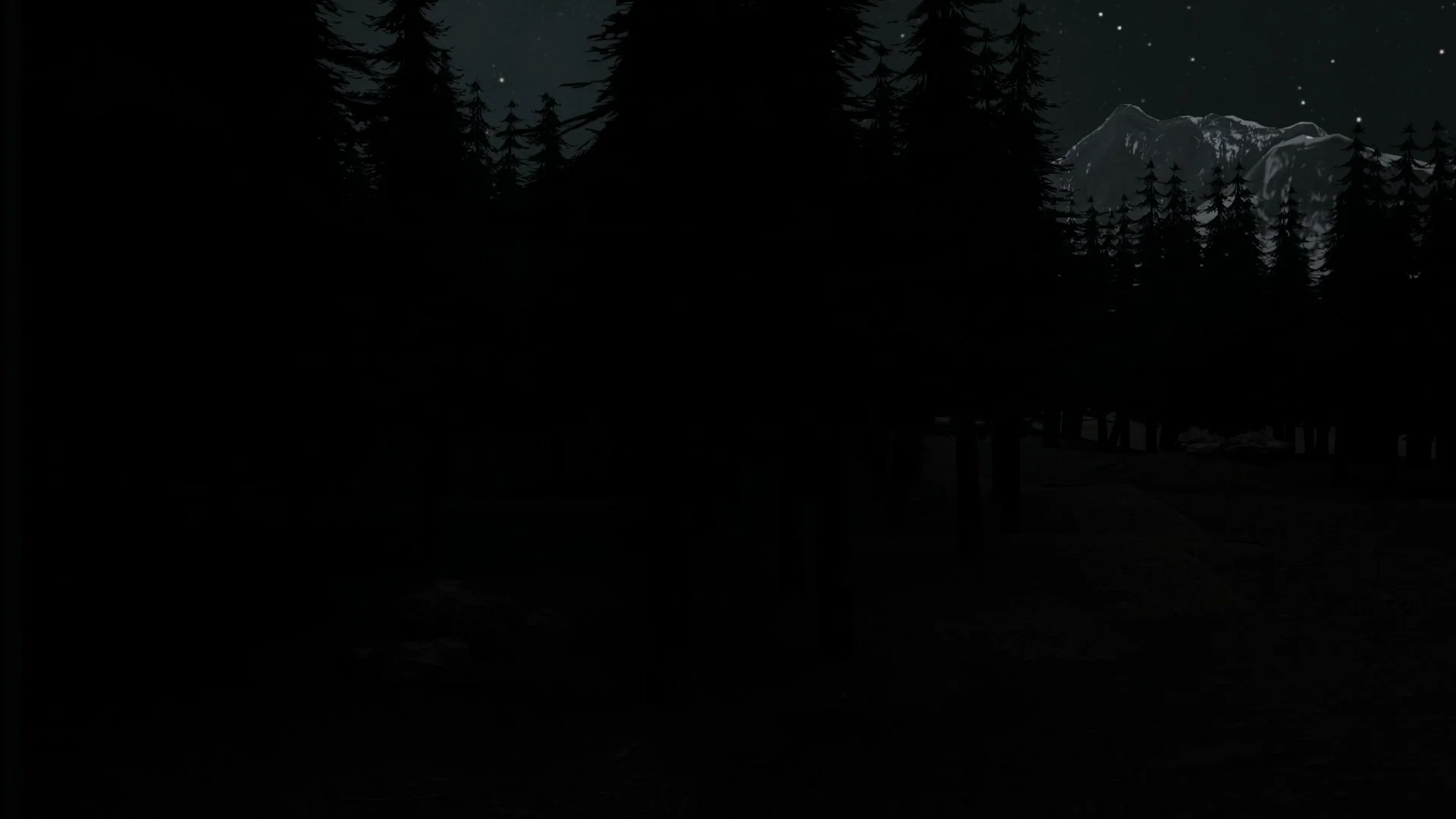
A main focus of this project was investigating how lighting and atmospheric effects could influence perceived realism. Volumetric fog was used to create visible light beams and environmental depth, while different lighting setups were tested across the scenes to find a balance between realism and render time.
When the render time of each frame became too much due to volumetric effects, I adapted the workflow by separating the renders into passes and recreating atmospheric effects during compositing. This allowed the final visuals to retain depth and atmosphere while significantly reducing render times.
COMPOSITING & SOUND
The rendered image sequences were brought into Adobe After Effects for colour correction, compositing and extra visual effects. Atmospheric overlays, chromatic aberration, noise and distortion were used selectively to build tension and reinforce the feeling of electromagnetic interference during the encounter.
Sound design was developed alongside the visual effects, combining environmental ambience, radio interference, footsteps, breathing and heartbeat effects with recorded vehicle sounds and additional effects. The timing of the audio was synchronised to key moments in the animation to strengthen the sense of tension and immersion.
FINAL OUTCOME
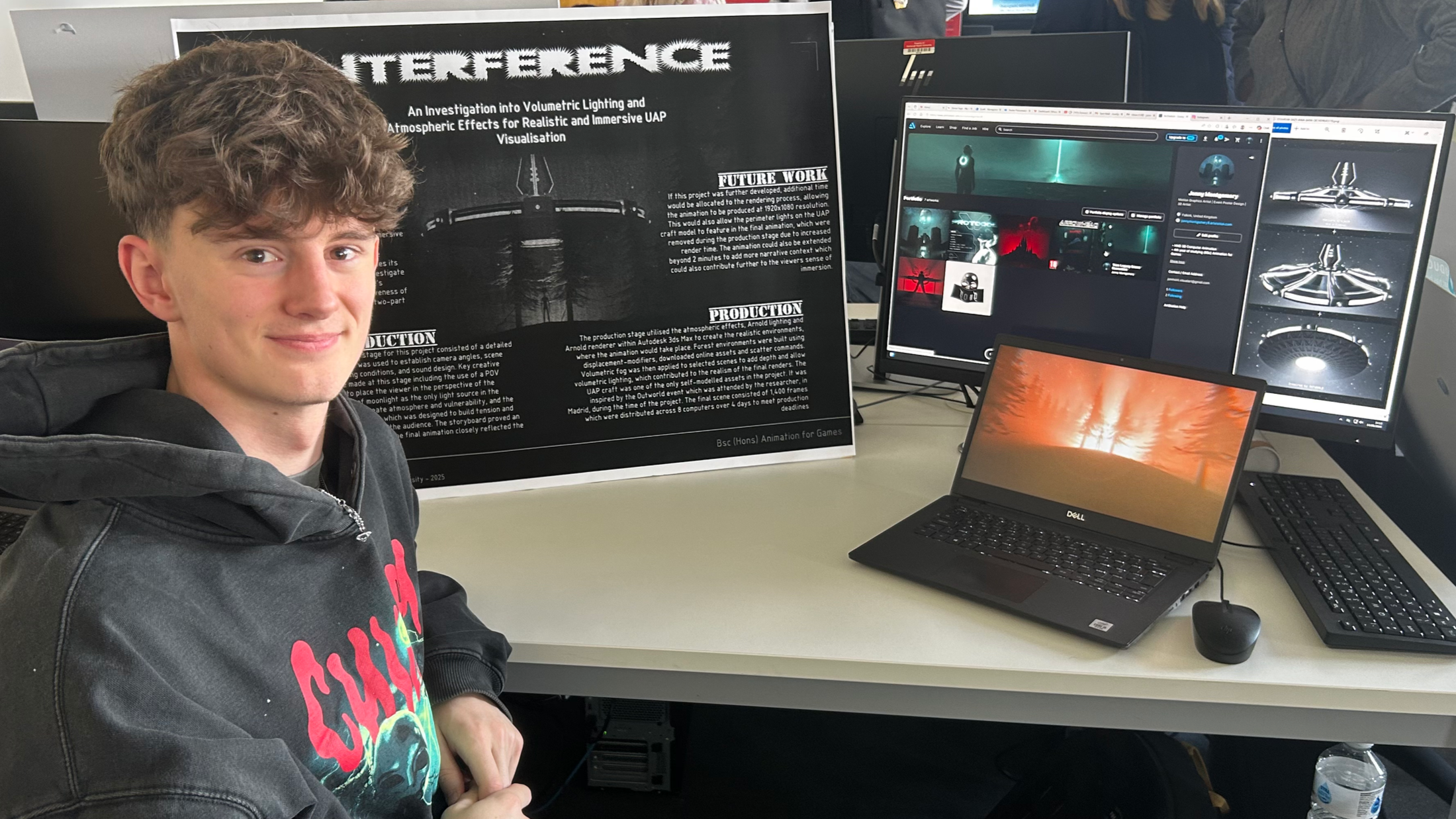
The final outcome was a 1–2 minute animated short film depicting a realistic UAP encounter from the perspective of a park ranger. The animation combined 3D environments, custom modelling, atmospheric lighting, camera animation, compositing and sound design to create an immersive visualisation without relying on exaggerated cinematic effects.
Audience testing gave the animation an average immersion rating of 8.7/10 and realism rating of 7.8/10. Lighting, atmospheric effects, camera movement and sound were identified as the most effective elements in creating the sense of realism and immersion.
Final Animation